Lasers can be divided into two main categories based on their biological effects:
High-power surgical lasers are used for various surgical interventions due to their intense thermal effects (cutting, vaporization, coagulation).
Soft lasers, on the other hand, utilize the photochemical effect of laser light to trigger beneficial biological processes.
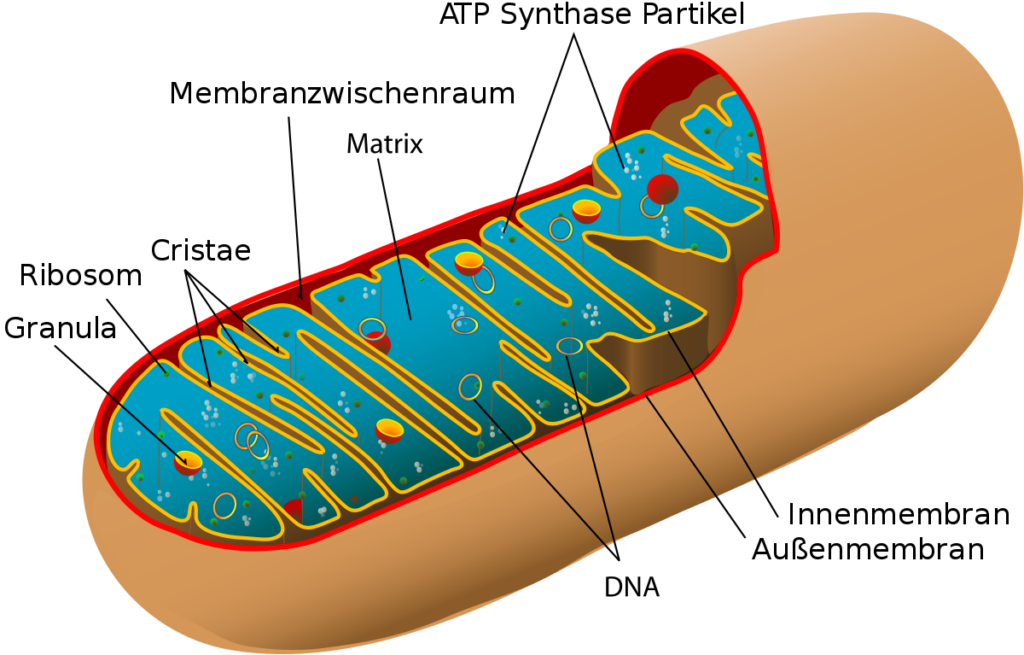
Research as early as 1947 demonstrated that mitochondria in our cells are photosensitive. Depending on their wavelength (color), different types of light affect various cells differently. Of the full light spectrum, red (e.g., 660 nm) and infrared (e.g., 808 nm) light have the most powerful healing effects.
The Soft lasers exert a biostimulatory effect on living tissue, meaning cells and tissues exposed to soft laser light regenerate more quickly — such as in accelerated wound healing. Laser light enhances cellular metabolism and promotes the formation of new cells, tissues, and capillaries. It also stimulates the immune system.
In summary: laser light stimulates the body’s natural self-healing ability.
Additionally, it has many other positive effects, including reducing inflammation and swelling, relieving pain, and relaxing tense muscles.

Soft laser treatment has three main therapeutic effects on the human body:
Laser light activates certain enzymatic processes in the body that initiate ATP production. ATP (adenosine triphosphate) is the body’s most essential form of energy and powers every chemical reaction in every cell. Increased ATP production leads to more efficient cellular metabolism and faster regeneration, shortening recovery times from illness or injury.
Soft laser therapy not only relieves symptoms but often addresses the root causes of health issues through complex biological and chemical processes.
This depends on the type of condition being treated. Basic soft lasers in the 1–10 mW range have very long treatment times and are only effective for superficial skin stimulation, offering low therapeutic efficiency.
Lasers in the 30–250 mW range are suitable for treating subcutaneous tissues, muscles, ligaments, and small joints, but they may still lack effectiveness for pain relief or deep tissue regeneration.
The 400–2000 mW range represents the highest category of soft lasers. Numerous clinical studies and real-world experiences show that this power level achieves excellent results in pain relief, even where lower-powered lasers had no effect. Castano [65] experimentally demonstrated that high-power infrared lasers achieved similar results in treating knee joint pain as steroid injections (dexamethasone). Hungarian medical team led by Dr. Klára Barabás also confirmed experimentally that high-power infrared lasers (25 J/cm²) can trigger biochemical processes necessary for cartilage regeneration. [66]
A legjobb élmény biztosítása érdekében olyan technológiákat használunk, mint például a sütik (cookie-k), az eszközinformációk tárolására és/vagy elérésére. Ezen technológiák elfogadása lehetővé teszi számunkra, hogy olyan adatokat dolgozzunk fel ezen az oldalon, mint a böngészési szokások vagy az egyedi azonosítók. A hozzájárulás megtagadása vagy visszavonása hátrányosan befolyásolhat bizonyos funkciókat és szolgáltatásokat.
Ön sikeresen feliratkozott.
